

Christmas LED Rope Light Displays: Is Your Holiday Lighting Stuck in the 90s?
Every December, I watch business owners and homeowners struggle with the same nightmare: tangled wires, burnt-out bulbs, and that cheap, plastic-tubing look that defines big-box store Christmas lights. You want a display that stops traffic, but you are using technology that hasn’t changed since the Clinton administration.
To create Professional-Grade Christmas displays, you must abandon traditional dotted string lights and switch to Digital RGB+IC Neon Flex. These advanced 24V systems allow for programmable "chasing" effects, seamless neon contours, and IP67 silicone durability that survives blizzards, transforming a static decoration into a dynamic light show.
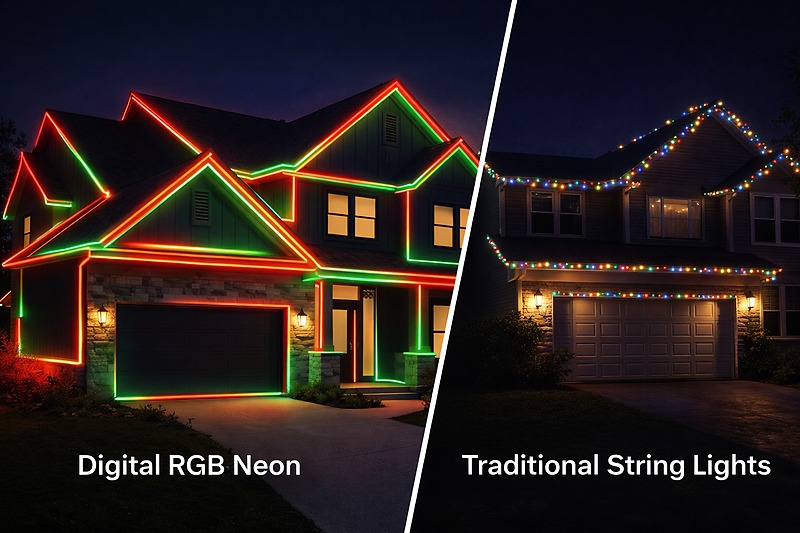
In my experience supplying commercial installers and large-scale distributors, the shift is undeniable. The market is moving away from disposable "throw-away" lights toward permanent, programmable architectural solutions. Let’s dive into how you can source and install the systems that win best-on-block awards.
Why "Digital" Pixels Beat Static Colors Every Time?
Static red and green lights are boring. In the age of viral TikTok videos and Instagrammable moments, people want motion. They want lights that dance to music or mimic falling snow.
You need to source "Addressable" or "Pixel" LED rope lights (often labeled as WS2811, UCS2904, or SM16703 protocols). Unlike standard RGB strips that change the entire reel to one color, digital strips allow you to control every group of 3 or 6 LEDs independently, unlocking complex effects like "Candy Cane Chase," "Meteor Shower," or "Stacking Blocks."
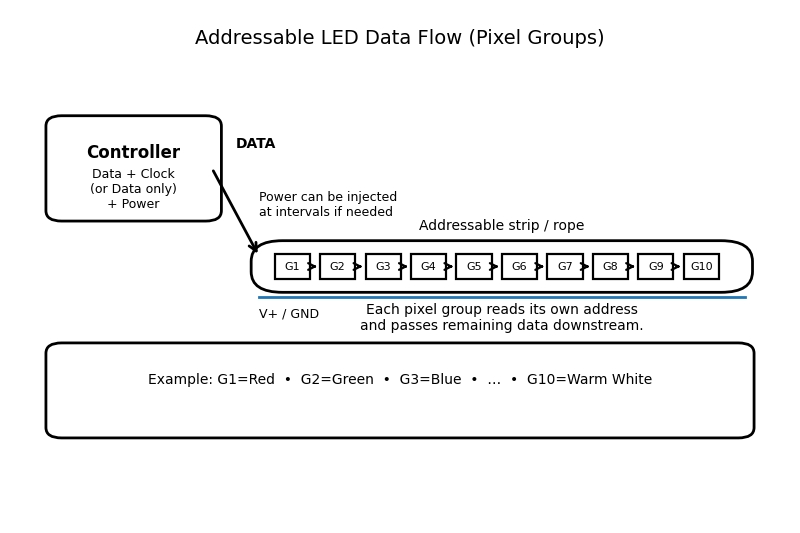
Understanding the Protocol
If you are just buying "RGB" rope lights, you are missing 90% of the potential.
The Tech Specs You Need:
- The Chipset: In our factory, we produce strips using WS28111 (standard 12V), WS2814/UCS2904 (RGBW for better white mixing), or SM16703. These chips are the brains.
- The "Pixel" Concept: A standard strip has 3 wires (+, -, Data). A digital strip receives a data signal. This signal tells pixel to be Red, pixel to be Green, and pixel to be White. This happens thousands of times a second.
- Commercial Advantages:
- Custom Branding: A commercial client (like a bank) might want their specific brand colors chasing each other. Static lights can’t do this.
- Attention Grabbing: Motion catches the human eye. A "chasing" border on a roofline is visible from three times further away than a static line.
- Music Sync: By connecting these to a music controller, the entire building can pulse to "Jingle Bells." This is the feature that goes viral.
Sourcing Warning:
Ensure you match the IC Chip2 to the Controller. If you buy a WS2811 strip but have a DMX512 controller without a decoder, nothing will work. Always ask your supplier for a "Compatible System."
| Feature | Standard RGB | Digital RGB+IC |
|---|---|---|
| Color Control | Whole roll is 1 color | Every 100mm is unique |
| Effects | Flash, Fade | Chase, Meteor, Stacking |
| Wow Factor | Low (Traditional) | High (Commercial Grade) |
| Complexity | Low (2 wires) | Medium (3 wires + Data) |
How Do You Create Shapes That Actually Look Like Neon?
Molding a reindeer or a star out of old rope lights looks clunky. You see the clips, the wires, and the individual bulbs. It looks like a DIY project gone wrong.
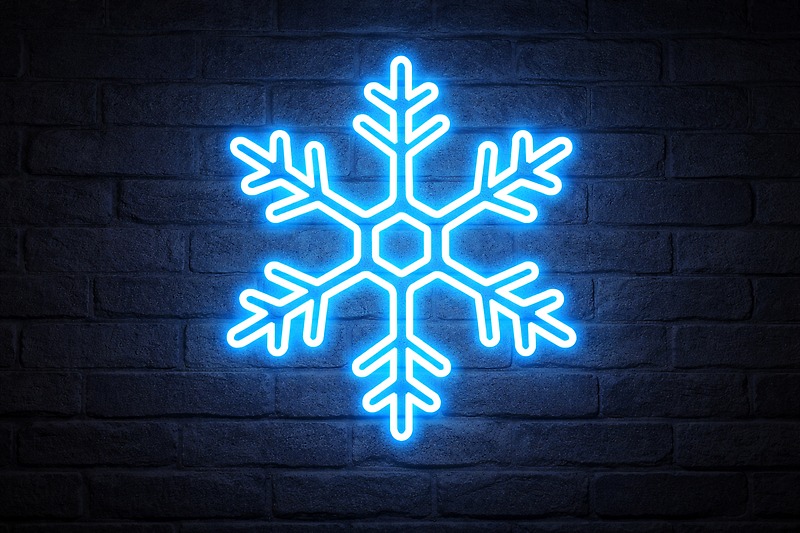
Use Side-Emitting or Top-Emitting Silicone Neon Flex. These profiles totally diffuse the LED dots into a solid line of light and are flexible enough to be bent into intricate shapes—like snowflakes, Santas, or lettering—without breaking, creating a professional "glass neon" look without the fragility.
Bending Physics
To build custom displays, you need to understand the "Bend Direction."
- Top View (Vertical Bend): This bends up and down, like a roller coaster. It is perfect for wrapping around columns or following the arch of a window.
- Side View (Horizontal Bend): This bends left and right, like a snake. This is what you need for signage and shapes. If you want to make a "Merry Christmas" sign or a snowflake outline, you simply must use Side-Emitting Neon3.
The Manufacturing Edge:
Our specialized neon flex uses a dual-color silicone extrusion process4.
- The Jacket: We use a milky-white diffuser top and a solid white side. This blocks light from leaking out the back and forces it all forward, making the shape crisp.
- The PCB: Inside, we use high-density strips (often 120 or 120 LEDs/m) to ensure the light is continuous.
- Cutting: You can cut these every 25mm to 50mm. This high precision allows you to solder small segments together to create sharp corners in your letters or shapes.
My Pro Tip: Do not use cheap PVC neon. It stiffens in the cold (below freezing) and will crack when you try to shape it. Only 100% Silicone stays flexible in winter temps.
| Type | Bend Direction | Best For |
|---|---|---|
| Top Bend | Up/Down | Arches, Columns, Rooflines |
| Side Bend | Left/Right | Lettering, Shapes, Logos |
| 360 Round | Any Direction | Hanging "Tube" Art |
Why Is 24V Essential for Outdoor Rooflines?
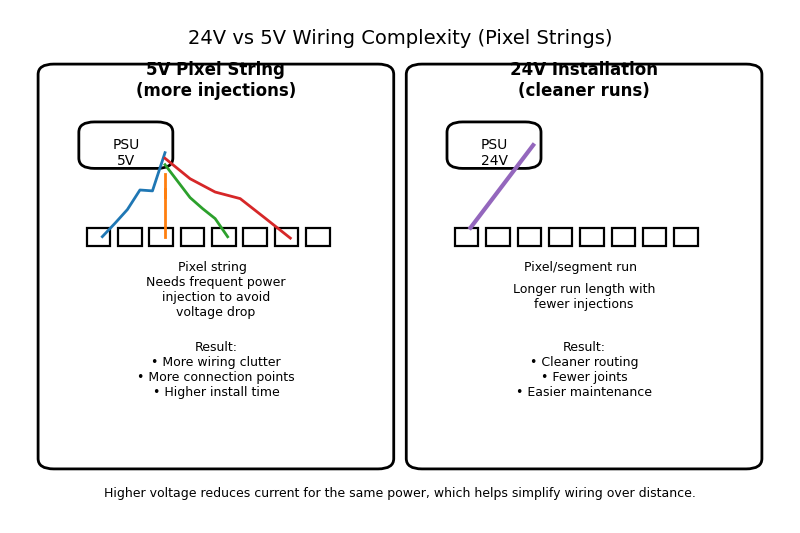
The most common complaint I get? "Jeremy, half my roof is dim." This is voltage drop. If you try to run standard 5V or 12V pixels around a large house, you need power injection every 10 to 15 feet. It is a wiring nightmare.
Standardize on 24V systems for all exterior holiday lighting. The higher voltage pushes the current further, allowing you to run 10 meters (33 feet) or more of continuous digital lighting without needing to splice in extra power wires, making installation faster and safer.
The Voltage Drop Battle
When you are on a ladder in freezing temperatures, you want to run as few wires as possible.
The Math of Voltage:
- 5V Pixels: Popular for DIY hobbyists because they are cheap. But the voltage drops fast. After 50 pixels (about 12 feet), the colors turn pinkish because there isn’t enough power for the white light. You have to run thick "power injection" wires parallel to the lights.
- 24V Pixels5: By quadrupling the voltage, we reduce the current draw. This means less heat and less resistance.
- Long Runs: We manufacture "GS" (Group Control) pixels where 6 LEDs act as one pixel running on 24V. You can easily run 15 to 20 meters from one end.
- Cost Efficiency: You buy fewer power supplies. Instead of five small 5V supplies, you buy one robust Mean Well HLG-320H-246 driver.
- Safety: 24V is still low voltage (under the 48V safety threshold), so there is no shock risk, but it is vastly more efficient than 12V.
My Recommendation: For permanent roofline tracks, use 24V WS2811 or UCS2904. It is the industry standard for professional holiday installers.
How Do You Waterproof Connections for Snow and Ice?
Using electrical tape is not waterproofing. Water finds a way. In a digitally controlled system, one drop of water on the data line ruins the signal for the rest of the display.
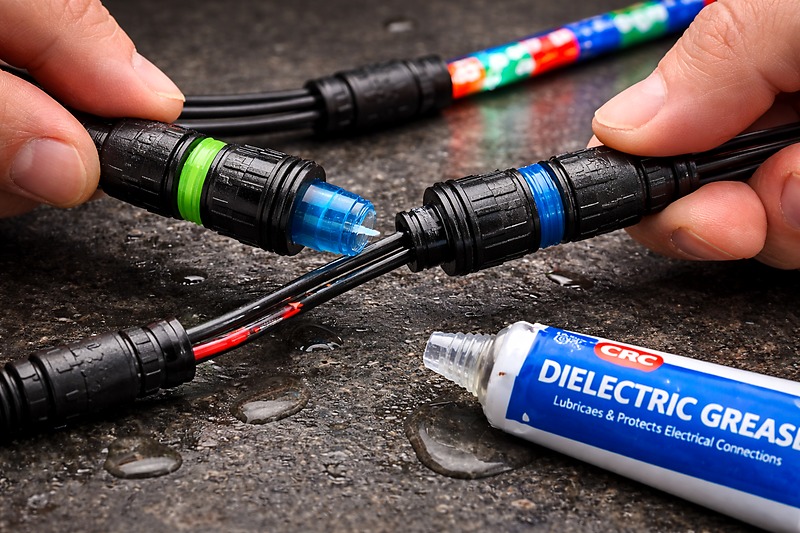
You must use IP67 or IP68 rated connectors (like xConnect or Ray Wu pigtails) with dielectric grease. Never cut and splice wires openly outdoors; rely on factory-molded waterproof screw-connectors to ensure the data signal remains intact through freeze-thaw cycles.
The Weakest Link
The LEDs themselves (if you buy IP67 silicone tube) are fine. The failure point is always the connection.
The Professional Ecosystem:
Don’t use wire nuts. Don’t use butt splices.
- Molded Connectors7: We sell our holiday lights with pre-soldered "Pigtails." These are 3-pin waterproof plugs with O-rings. You simply screw them together.
- Dielectric Grease8: This is the secret sauce. Before screwing the connector, squirt a little non-conductive grease inside. It creates a gooey barrier that water cannot penetrate, even if the O-ring fails.
- Drip Loops: Physics helps. Always mount your power supplies and controllers higher than the drip point. Create a "U" shape in the wire right before it enters the box. Water runs down the wire and drips off the bottom of the "U" instead of running effectively freely into your expensive electronics.
Sourcing Checklist:
- Input End: Male Connector.
- Output End: Female Connector.
- Standard: Choose one standard (e.g., xConnect) and stick to it for all your extensions, Y-splitters, and lights so everything is compatible.
Can You Control the Lights from Anywhere?
Customers don’t want to go outside to unplug the lights. They want to change the pattern from their couch, or have the lights turn heavily on automatically at sunset.
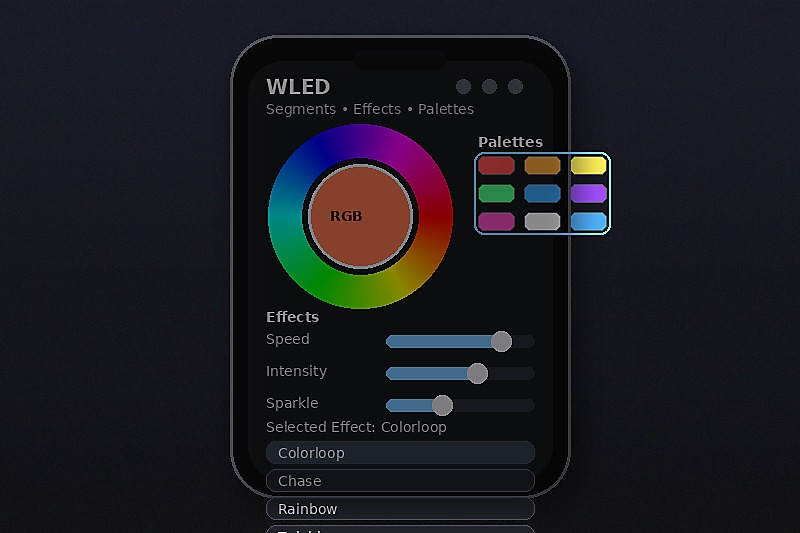
Integrate Wi-Fi controllers powered by WLED or commercial apps. These open-source or proprietary platforms allow for scheduling, remote access, and integration with Alexa/Google Home, giving the user complete command over their holiday display without touching a switch.
The Brains of the Operation
The hardware (LEDs) is only as good as the software.
The "WLED" Revolution:
For the best flexibility, I often recommend controllers running WLED.
- Open Source: It’s free software that runs on cheap ESP32 chips.
- Features: It has over 100 built-in effects (Rainbow, Sparkle, Fire, etc.). It supports "segments," so you can make the roof one color and the windows another.
- E1.31 / DDP: For the pros, WLED accepts E1.31 data. This means you can use software like xLights to sequence a music light show on your PC and send it wirelessly to the controller.
The Commercial Alternative:
If WLED is too "geeky" for your client, reliable RF (Radio Frequency) remotes or simple Bluetooth Mesh apps are safer. They are "plug and play."
- Function: Simple color wheel, speed control, and timer.
- Reliability: They don’t depend on the client’s buggy home Wi-Fi signal. As a business owner, I prefer these for simple jobs because I get fewer "tech support" calls.
| Controller Type | Pros | Cons | Target Audience |
|---|---|---|---|
| Simple RF Remote | Bulletproof, no Wi-Fi needed | Limited effects, short range | Elderly / Simple needs |
| Bluetooth App | Phone control, easy setup | Must be near the box | Standard Homeowner |
| Wi-Fi (WLED) | Infinite effects, Smart Home | Needs good Wi-Fi signal | Techies / Enthusiasts |
Conclusion
Christmas lighting has graduated from a seasonal chore to a technological art form. By utilizing 24V Digital Neon Flex, leveraging Side-Emitting profiles for custom shapes, and securing your system with IP67 Waterproof Connectors, you can deliver displays that are not only durable but breathtaking. Don’t just hang lights; install a digital experience that defines the neighborhood.
-
Explore this link to understand the WS2811 chipset’s capabilities and how it enhances LED lighting performance. ↩
-
This resource will guide you in selecting the appropriate IC Chip for your LED setup, ensuring compatibility and optimal performance. ↩
-
Explore this link to understand the unique benefits of Side-Emitting Neon for creating stunning signage and shapes. ↩
-
Learn about the dual-color silicone extrusion process to see how it enhances the quality and performance of neon flex. ↩
-
Explore the advantages of 24V Pixels for efficient LED installations, including reduced voltage drop and cost savings. ↩
-
Learn about the Mean Well HLG-320H-24 driver, its efficiency, and how it can enhance your LED projects. ↩
-
Explore this link to understand how Molded Connectors enhance durability and reliability in LED lighting systems. ↩
-
Learn about Dielectric Grease and its role in preventing moisture damage to electrical connections, ensuring longevity. ↩
Interested in Our LED Solutions?
Get professional consultation and customized LED lighting solutions for your projects. Contact our expert team today.
Related Articles

How Do You Build Profitable Custom Vehicle and RV Interior LED Rope Lights?
You lose RV installation contracts because your interior lights fail on rough roads. Standard strips show bright dots on glossy…

How to Perfect Bookshelf and Display Cabinet LED Rope Lighting?
You lose retail clients when bookshelves look incredibly dark. Ugly shadows hide expensive products inside display cabinets daily. You need…

How to Master Mirror and Vanity LED Rope Light Installation?
Your clients complain about ugly shadows in their bathroom mirrors. Bad lighting ruins expensive vanity designs. You lose future contracts…
