
Indoor Addressable SMD LED Strip Light
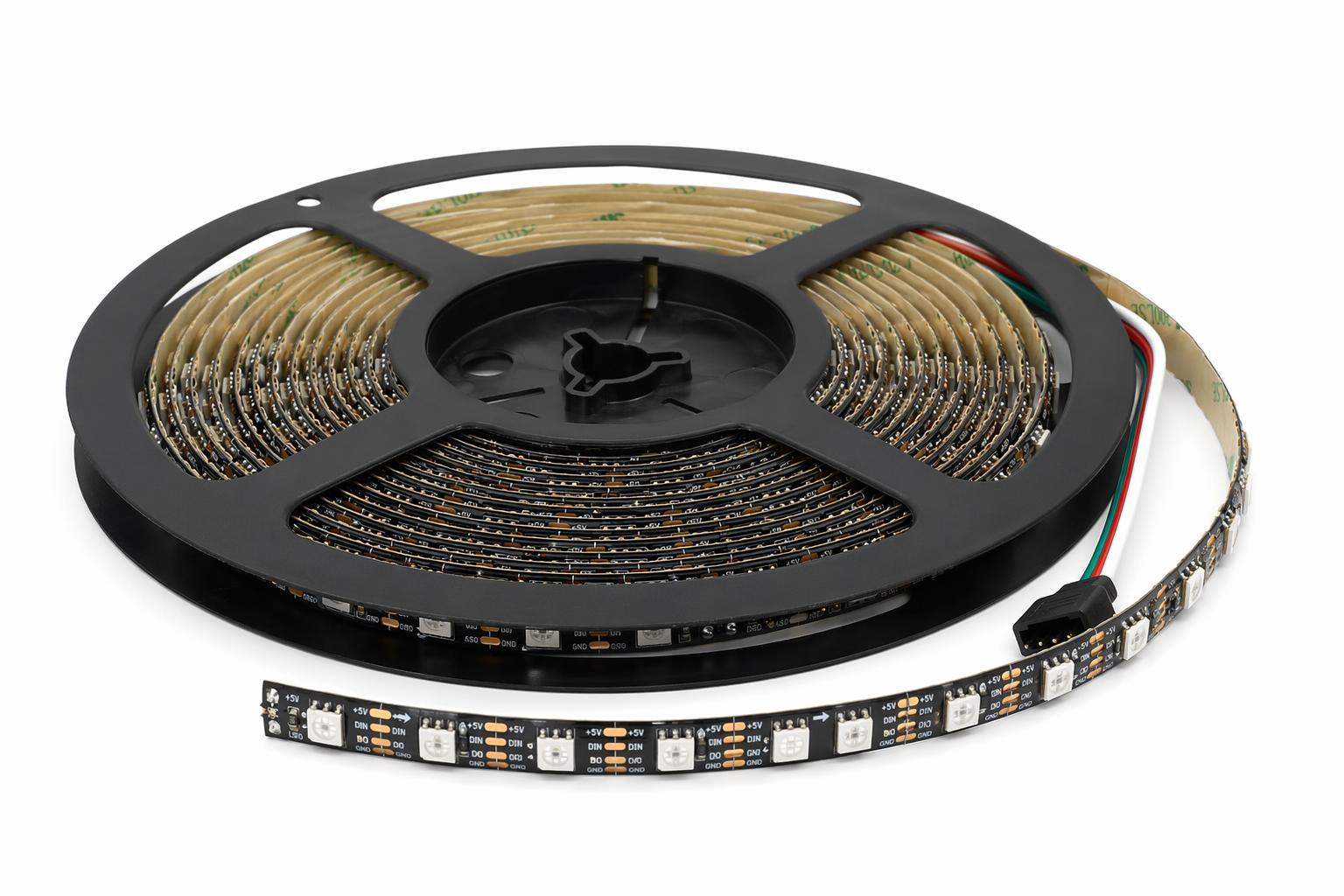
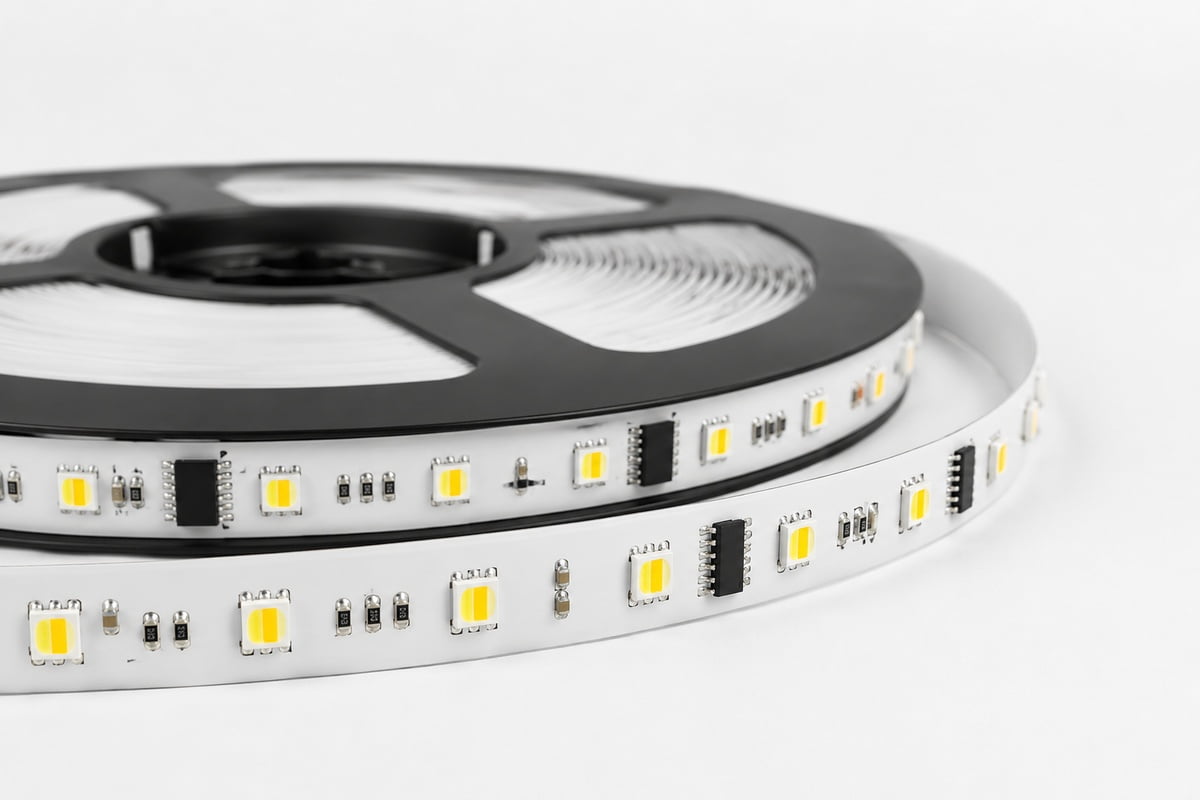
Programmable addressable SMD LED strip solutions for indoor projects that need dynamic pixel effects, running patterns, programmable zones, and advanced scene control. Suitable for entertainment, digital installations, themed interiors, smart projects, and architectural feature lighting.
Why Buyers Choose Addressable SMD
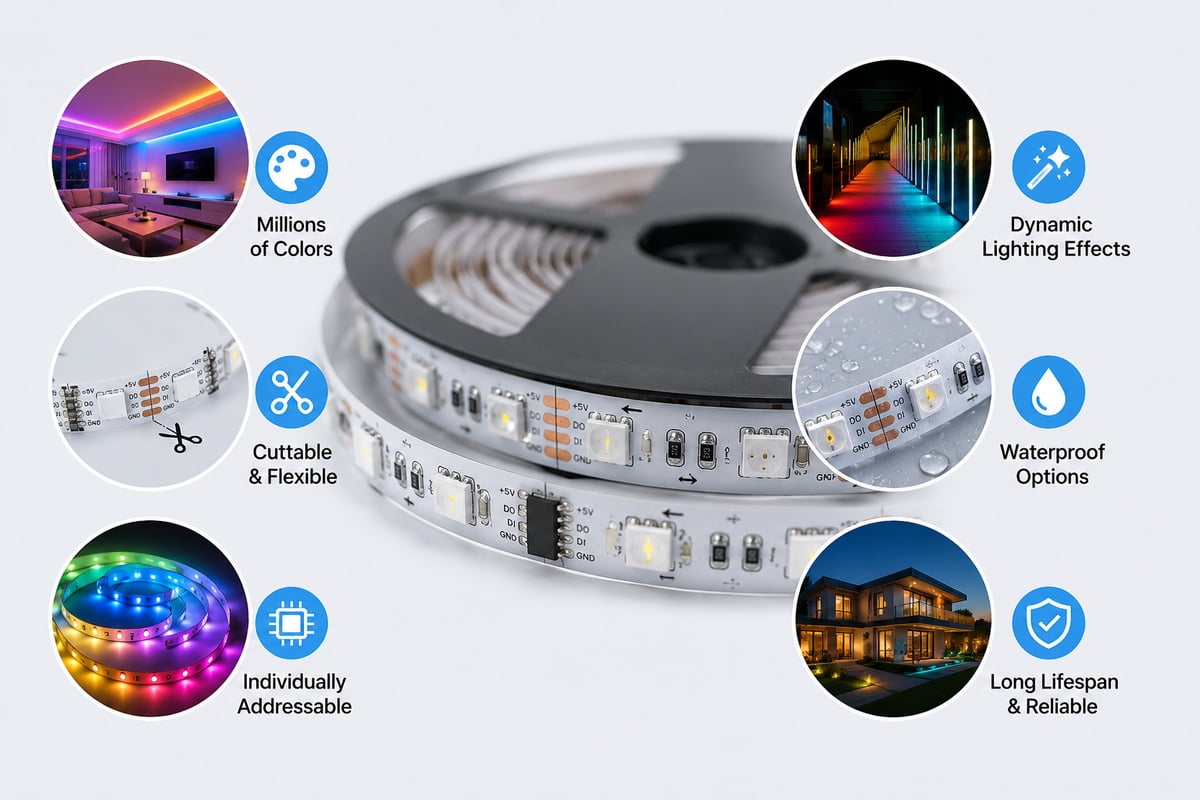
Addressable strips are selected when the project needs animation, segmentation, or programmable effects that normal analog RGB strips cannot create.
Dynamic Pixel Effects
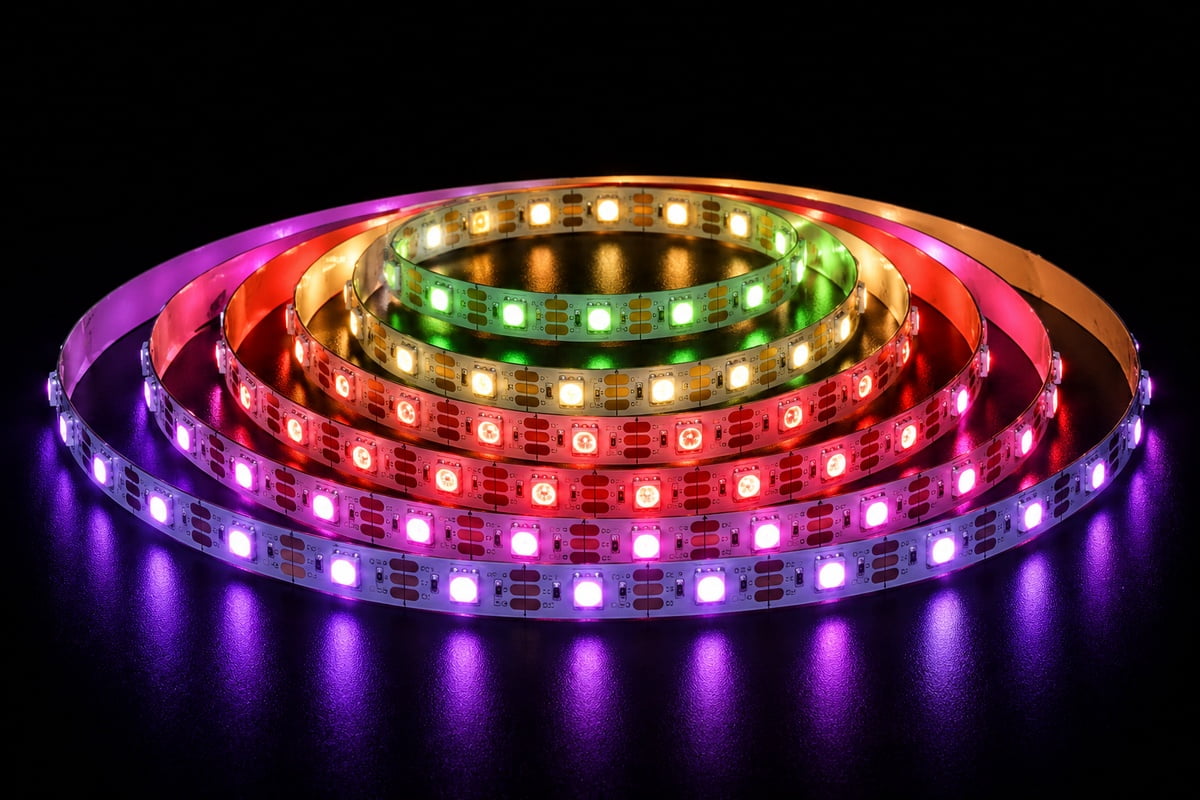
Addressable strips support chasing, running, segmented, animated, and scene-programmed effects that standard RGB strips cannot deliver.
More Advanced Control Logic
These products are designed for buyers who need pixel-level or zone-level control, not just global color changes across the whole strip.
Best for Digital & Entertainment Use
Suitable for gaming spaces, entertainment rooms, themed interiors, stage effects, digital installations, and eye-catching commercial environments.
Typical Indoor Applications
Addressable SMD strips are for projects where movement, programmability, or digital interaction is part of the value.
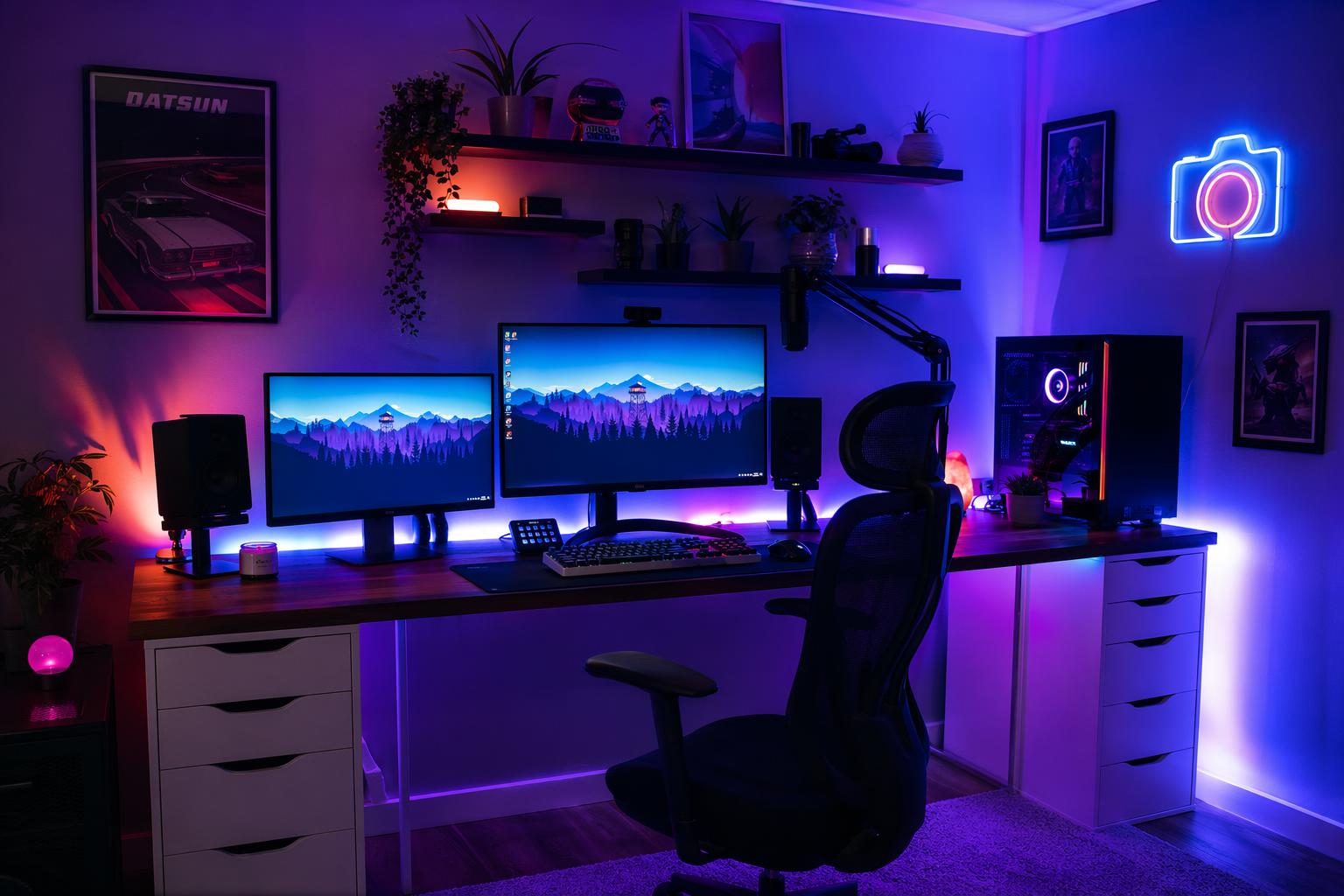
Entertainment & Gaming Lighting
Used in gaming rooms, streamer setups, home entertainment areas, and themed interiors where pixel motion and animated effects create a more immersive environment.
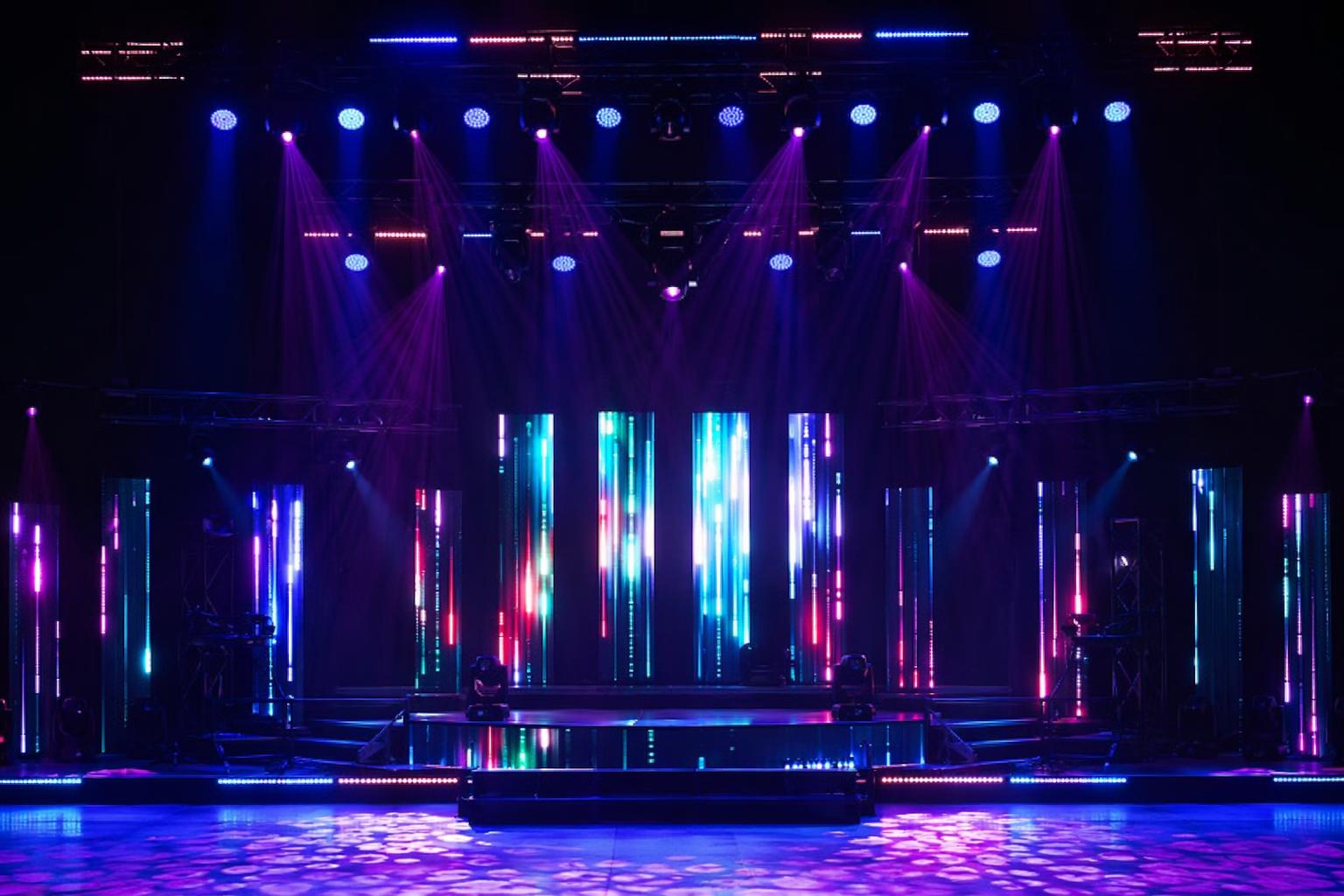
Commercial Digital Installations
Suitable for branded interiors, interactive displays, themed display walls, event builds, and digital visual projects that require more than fixed-color lighting.
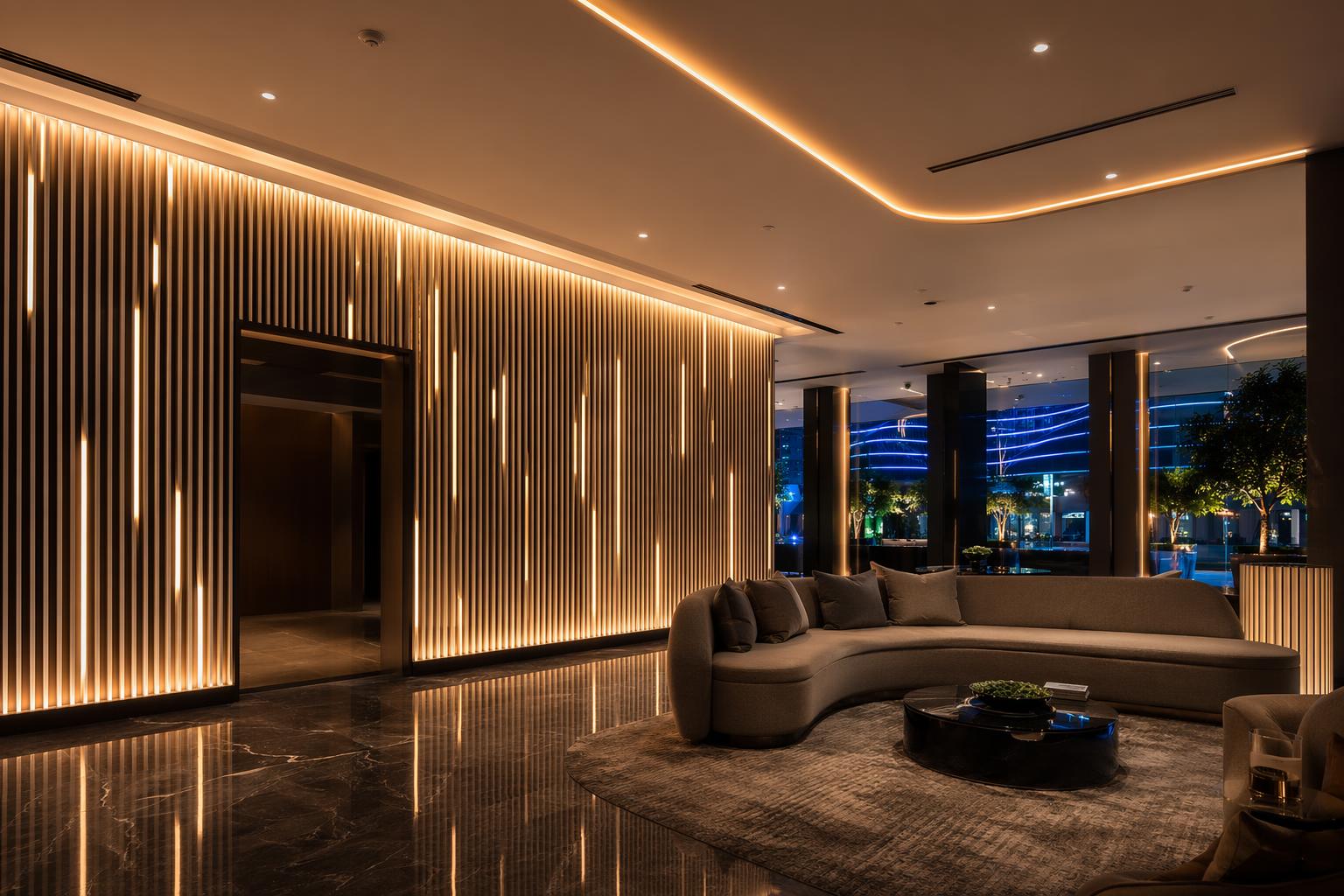
Architectural Feature Lighting
Works well in special architectural lines, stage edges, creative ceilings, and visual feature areas where synchronized or segmented effects are part of the lighting concept.
How to Select the Right Addressable SMD Strip
The biggest mistake is treating addressable strips like standard RGB strips. They are different at the controller, signal, and installation level.
Choose IC Type by System Compatibility
WS2811, WS2814, BG6812, UCS2904, and other ICs are not simply interchangeable. Buyers should start from the controller ecosystem and control logic, then choose the strip.
Check Pixel Density and Effect Needs
Higher pixel density improves effect smoothness, but it also increases cost, controller load, and programming complexity. Match density to the actual visual distance and effect requirement.
Voltage and Power Injection Matter More
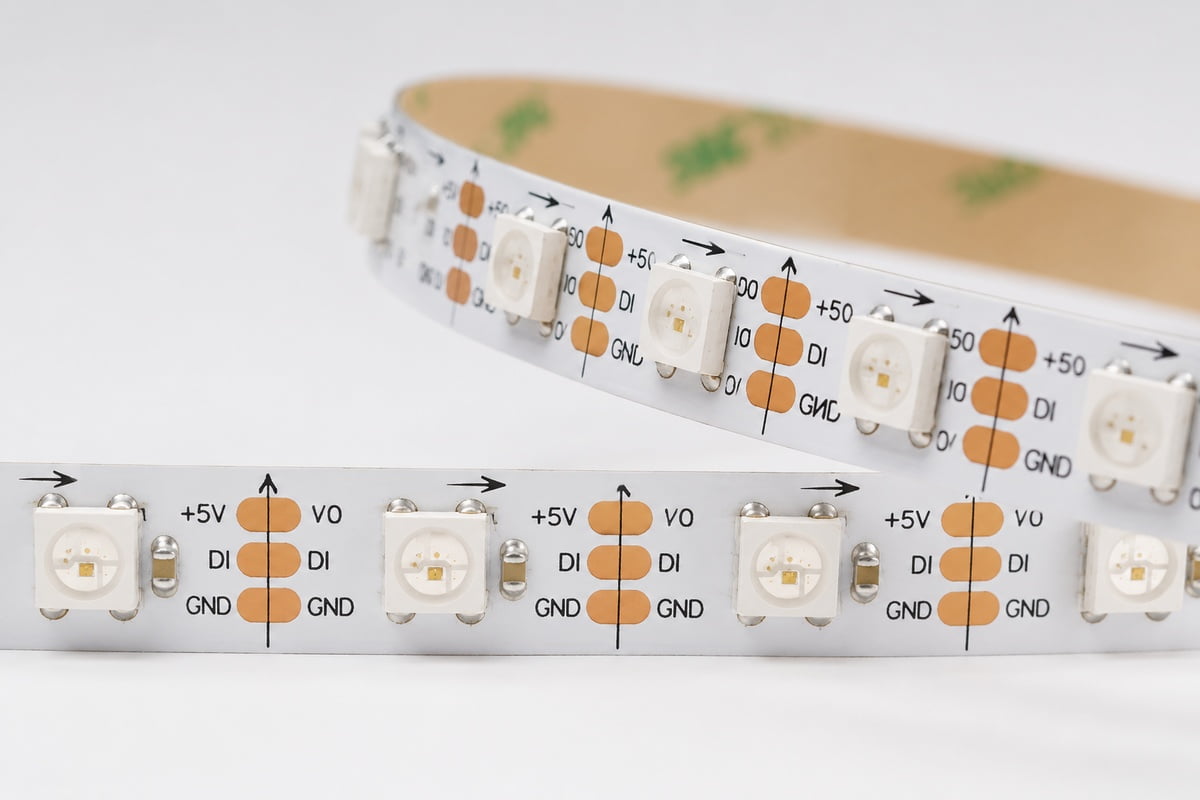
Addressable strips are more sensitive to voltage drop, signal stability, and feed planning than standard analog strips. Power injection and data direction must be designed before installation.
Separate Real Need from Visual Trend
If the project only needs whole-strip color changing, addressable may be unnecessary complexity. It is worth choosing only when segmented or pixel effects are genuinely required.
The most common mistake is choosing addressable strips for a project that only needs normal RGB scene change. If independent pixel control is not necessary, analog RGB or RGBW is usually simpler and more cost-effective.
When You Should NOT Choose Addressable
Most addressable strip orders that go wrong start from the same place: the buyer did not actually need pixel control.
If all LEDs change together at the same time — same color, same brightness — that is analog RGB. You do not need addressable. A standard RGB controller costs a fraction of the price and works more reliably.
Addressable is not an upgrade from RGB. It is a different product for a different use case. Choosing it without a specific pixel-control need adds cost, complexity, and failure points with no actual benefit.
Ordering addressable strips before locking the controller platform is one of the most common expensive mistakes. IC type, signal protocol, and controller output must be decided first — not after the strip arrives.
If the installer or system integrator has only worked with analog RGB before, addressable strips will require a proper learning curve around data lines, power injection, signal stability, and programming. Budget for that time or choose a simpler solution.
Addressable vs Standard RGB SMD
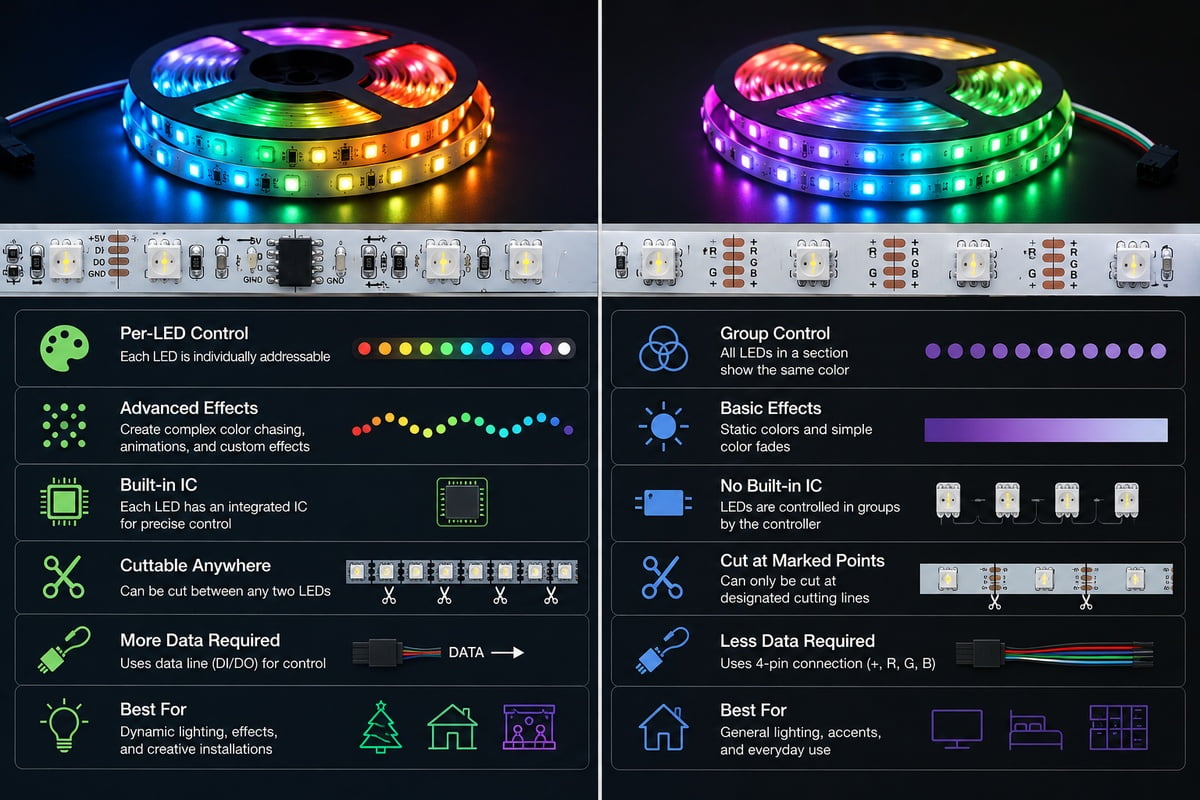
These two categories serve different project goals, even though both may appear “color changing” at first glance.
| Factor | Addressable SMD | Standard RGB SMD |
|---|---|---|
| Control mode | Pixel / zone programmable | Whole strip changes together |
| Effect capability | Running / chasing / animated effects | Static or global color change |
| System complexity | Higher | Lower |
| Best fit | Entertainment / digital / themed projects | General color mood lighting |
| Buyer logic | Choose when pixel control is required | Choose when full-strip color change is enough |
Common Specifications
Representative indoor addressable SMD models from the RH digital strip range.
General Range
| Control Type | Addressable / IC Programmable |
| Color Modes | White / RGB / RGBW / RGB+CCT |
| Voltage | 5V / 12V / 24V |
| Pixel Density | 10 – 100 Pixels/M |
| PCB Width | 4mm – 12mm |
| IP Grade | IP20 / IP65 / IP66 / IP68 |
System Notes
| Controller | Required |
| Signal Direction | Important |
| Power Injection | Often required on longer runs |
| PCB Material | FPC double sides copper |
| Lifespan | >36,000 hours |
| Indoor Page Focus | IP20 addressable models |
| Item No. | Voltage | Watts/M | LEDs/M | PCB Width | IC Type | Pixels/M | Cut Length | Color Type |
|---|---|---|---|---|---|---|---|---|
| RH-2835-24V-600-IC-WHITE | 24V | 18W | 120 | 10mm | SM16703 | 20 | 100mm | White |
| RH-5050-12V-150-IC-RGB | 12V | 7.2W | 30 | 10mm | WS2811 | 10 | 50mm | RGB |
| RH-5050-12V-300-IC-RGB | 12V | 12W | 60 | 12mm | WS2811 | 20 | 16.7mm | RGB |
| RH-5050-5V-300-IC-RGB | 5V | 12W | 60 | 12mm | BG6812 | 60 | 16.7mm | RGB |
| RH-5050-12V-300-IC-RGBW | 12V | 16.8W | 60 | 12mm | WS2814 | 20 | 50mm | RGBW |
| RH-5050-24V-300-IC-RGBW | 24V | 16.8W | 60 | 12mm | UCS2904 | 10 | 100mm | RGBW |
| RH-5050-24V-300-IC-RGBCCT | 24V | 23W | 60 | 10mm | FW1808 | 10 | 50mm | RGB+CCT |
Installation & Procurement Notes
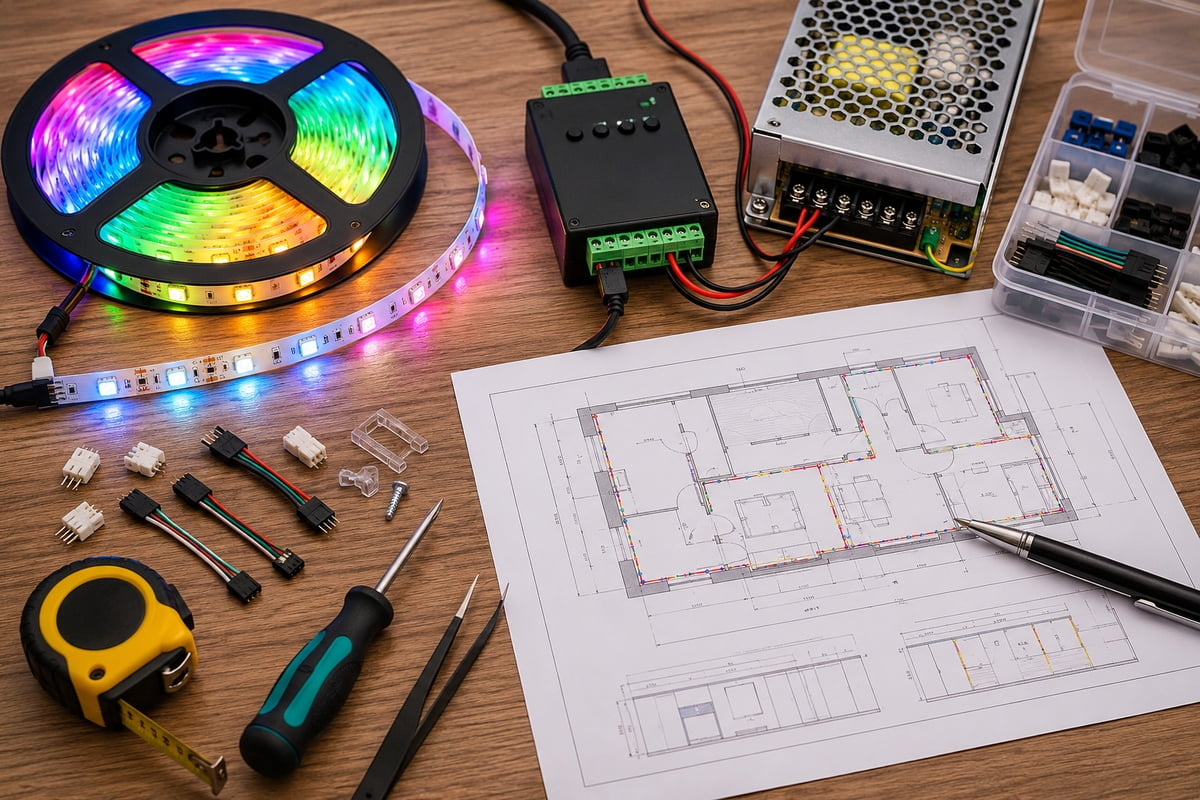
Signal Stability Matters
Data wiring, controller compatibility, and signal direction all affect final performance. Addressable strips fail more often from system mismatch than from strip defects alone.
Power Injection Should Be Planned
Long addressable runs often need power injection even if the strip lights up during basic testing. Without correct planning, effects become unstable or inconsistent at the far end.
Test with the Actual Controller
Addressable systems should always be tested with the exact controller and program environment intended for final use. Bench tests with a different controller can give misleading confidence.
FAQ
What is the difference between addressable and normal RGB strip?+
When should buyers choose addressable strips?+
Are all addressable IC strips compatible with every controller?+
What is the biggest buying risk in addressable strip projects?+
Need Help Choosing the Right Addressable SMD Strip?
Tell us your controller platform, IC preference, voltage, pixel requirement, and project type. We can help you select the right indoor addressable SMD strip before sampling or bulk order.
Send an Inquiry