
Indoor Single Color SMD LED Strip Light
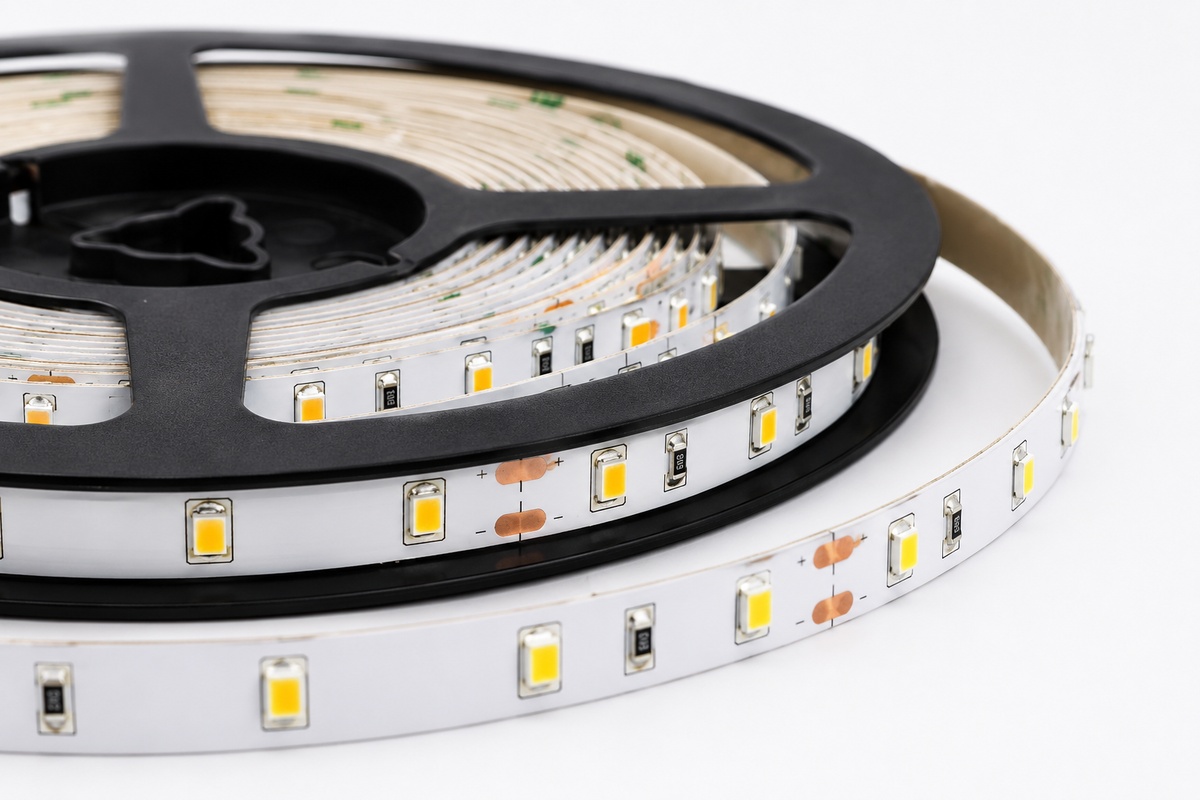
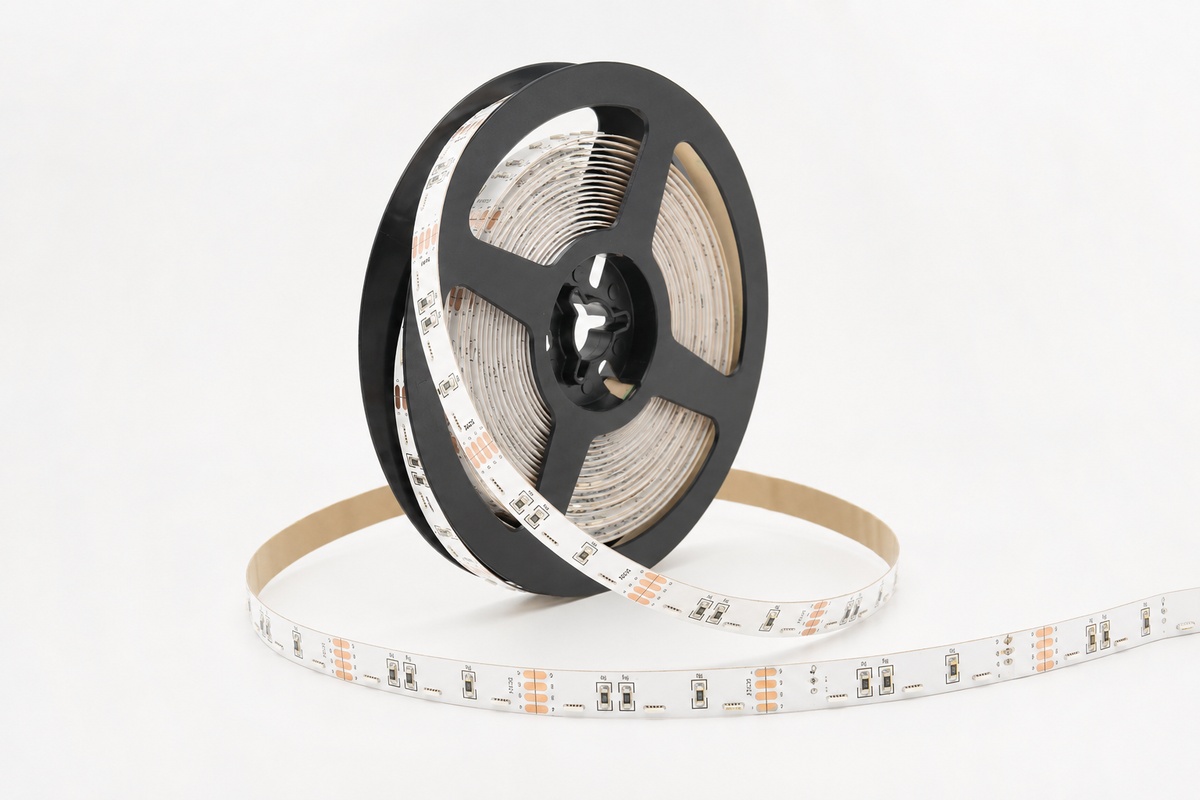
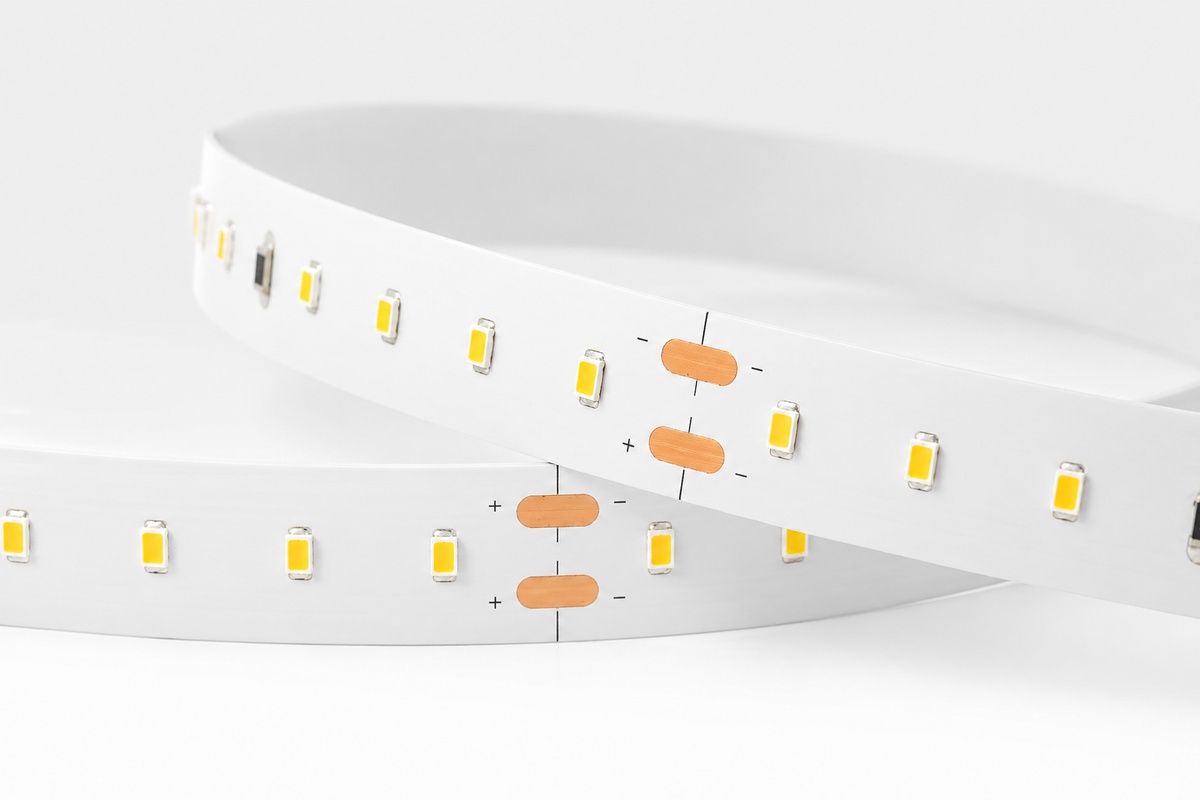
Flexible single-color SMD LED strip solutions for architectural, retail, cabinet, signage, and decorative indoor lighting. Available in multiple chip types, densities, voltages, and PCB widths for different brightness, efficiency, and installation needs.
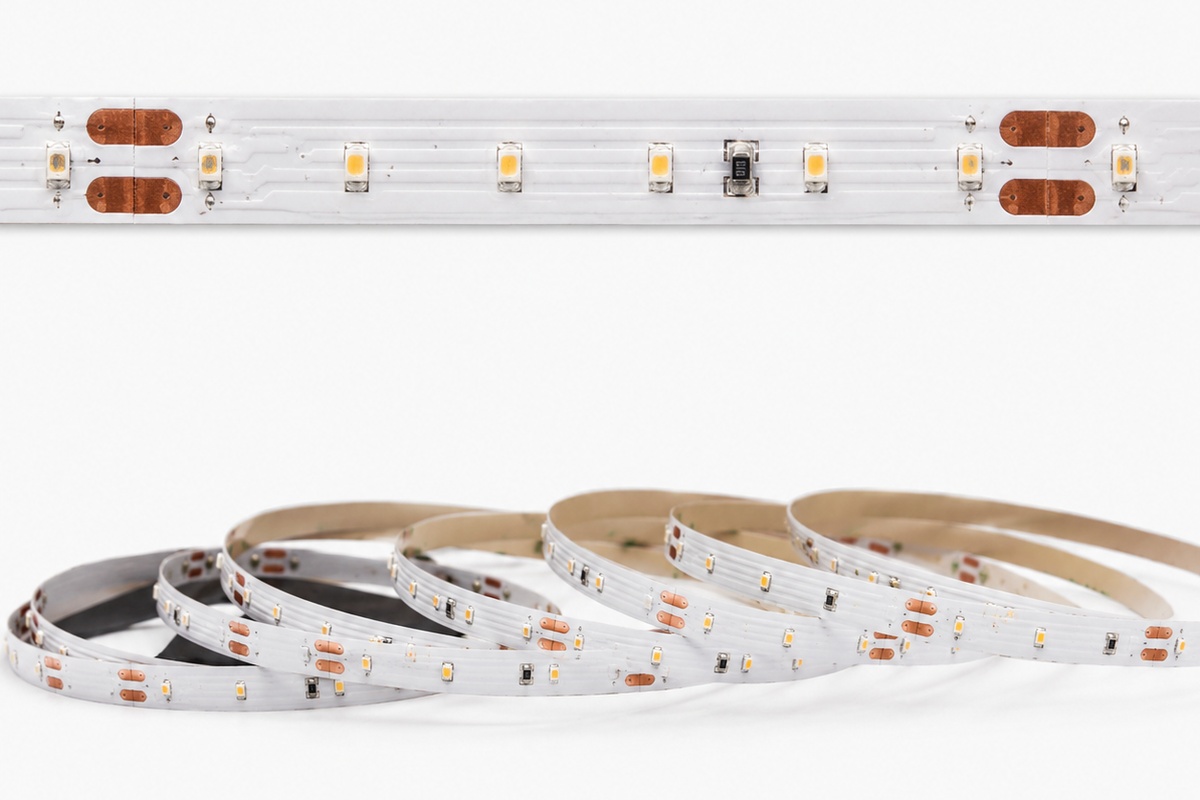
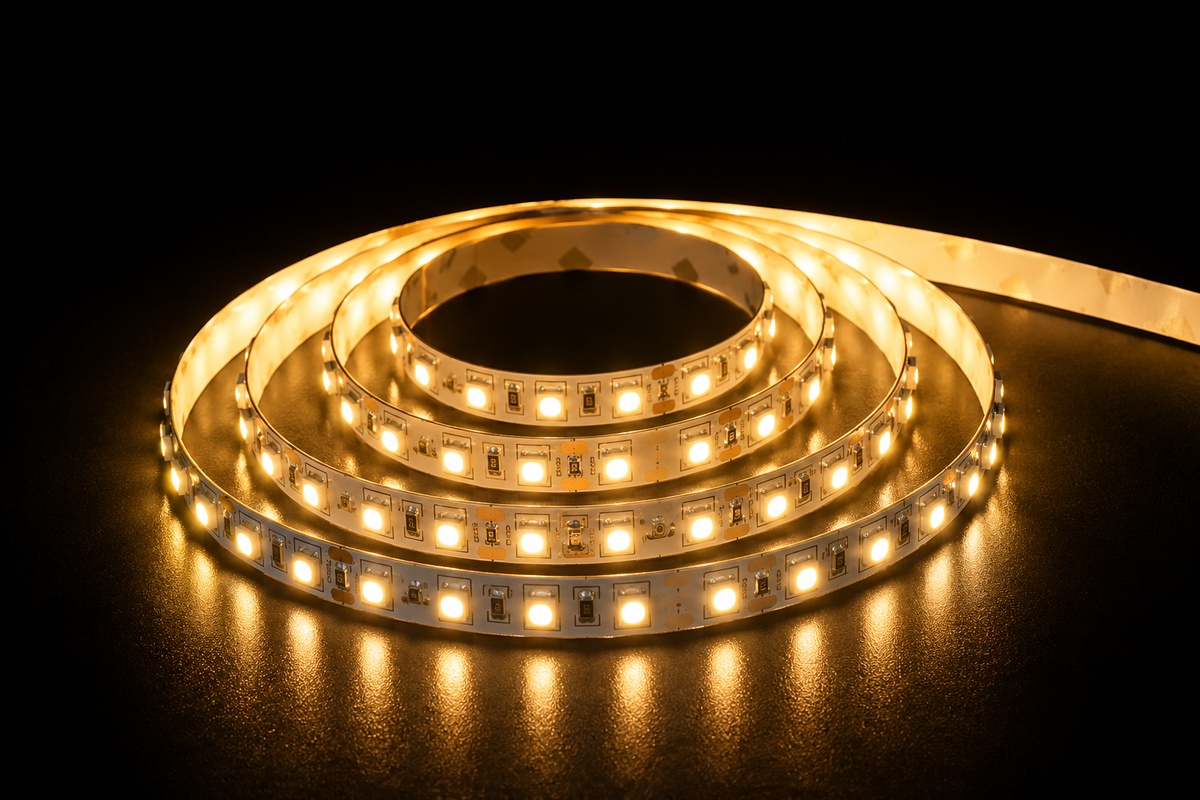
Why Buyers Still Choose Single Color SMD
COB gets attention for dot-free light, but standard SMD strips still make more sense in many projects because they are flexible in pricing, chip choice, output range, and application fit.
More Configuration Range
Single-color SMD covers more chip packages, wattages, densities, PCB widths, and voltage options than most COB series. That makes it easier to match different project budgets and installation constraints.
Better Price Flexibility
For signage, indirect lighting, display lighting, and concealed installations, SMD often delivers the needed performance at a lower system cost than COB.
Still Strong for B2B Projects
SMD strips remain widely used in cabinets, shelves, retail fixtures, cove lighting, channel letters, sign boxes, furniture, and decorative linear lighting where dotted output is acceptable or hidden by the installation.
Typical Indoor Applications
Single-color SMD strips are usually chosen when the project needs practical brightness, installation flexibility, or cost control more than a dot-free finish.
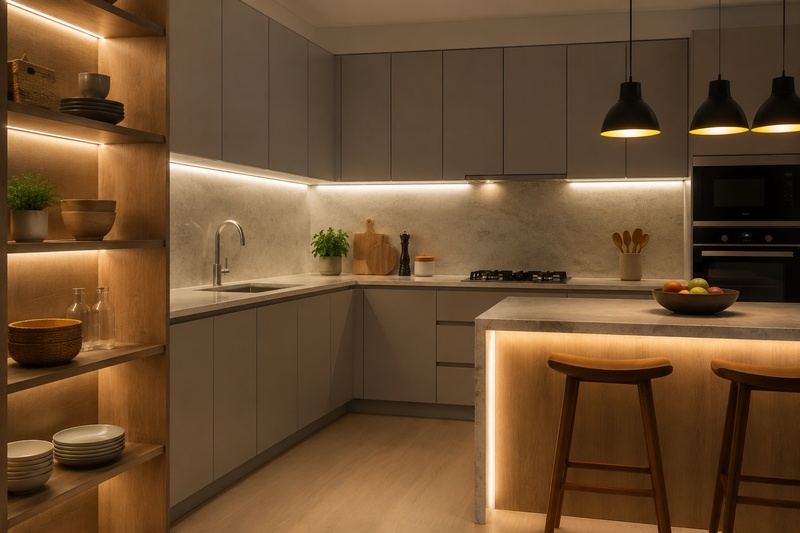
Cabinet & Shelf Lighting
A strong choice for under-cabinet kitchens, wardrobe lighting, retail shelving, and furniture lighting where brightness and installation cost matter more than seamless diffusion.
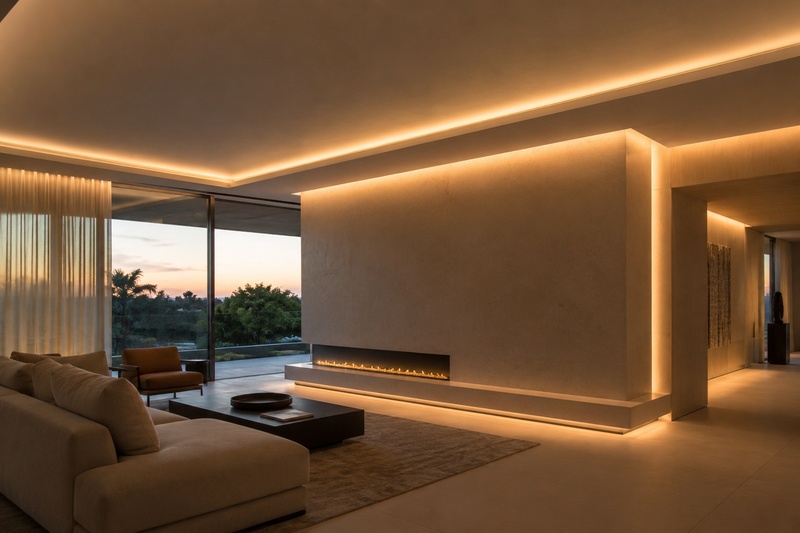
Architectural Cove Lighting
Suitable for indirect cove lighting, valance lighting, and decorative perimeter lighting where the strip is not directly visible to the viewer.

Signage & Display Lighting
Single-color SMD is widely used in display cases, sign boxes, channel letters, light boxes, and branded retail fixtures because of its practical output options and broad specification range.
How to Select the Right Single Color SMD Strip
The right model depends less on chip name alone and more on installation depth, brightness target, run length, and cost level.
Choose Chip Type by Project Level
2835 is usually the most practical mainstream option. 5050 is often selected for higher output or legacy specifications. 3528 is common for economical projects. 3014, 2110, and 2220 fit more specialized density or efficiency requirements.
Match Voltage to Run Length
12V is common for short runs and standard projects. 24V reduces voltage drop and is usually the safer choice for longer indoor lines. 48V options are more suitable when longer continuous runs are required.
Check PCB Width Before Sampling
Many buyers choose by wattage first but forget profile width. If the aluminum channel or cabinet groove is narrow, the strip width becomes a hard limitation early in the project.
Separate Hidden Lighting from Visible Lighting
If the strip will be directly visible, COB may still be the better solution. If the strip is hidden, washed onto a surface, or used in signage and cabinetry, SMD is often the more practical specification.
The most common mistake is selecting by chip name alone. In real projects, the better buying decision comes from matching voltage, density, PCB width, and installation method together — not just choosing “2835” or “5050” as a shortcut.
Which SMD Chip Should You Actually Choose?
The chip name is not the specification. But it is the fastest shortcut to understanding what a strip is designed to do.
| Chip | Best For | Typical Efficiency | Density Range | PCB Width | Buyer Signal |
|---|---|---|---|---|---|
| 2835 Hi-Eff | Maximum efficiency, architectural lighting | 148–184 lm/W | 112–210/m | 10mm | Best lm/W choice |
| 2835 Std | General B2B, cabinet, retail, signage | 86–120 lm/W | 60–240/m | 6–10mm | Most common choice |
| 5050 | Higher output, 3-in-1 chip, legacy specs | 85–95 lm/W | 30–96/m | 10–12mm | When output matters |
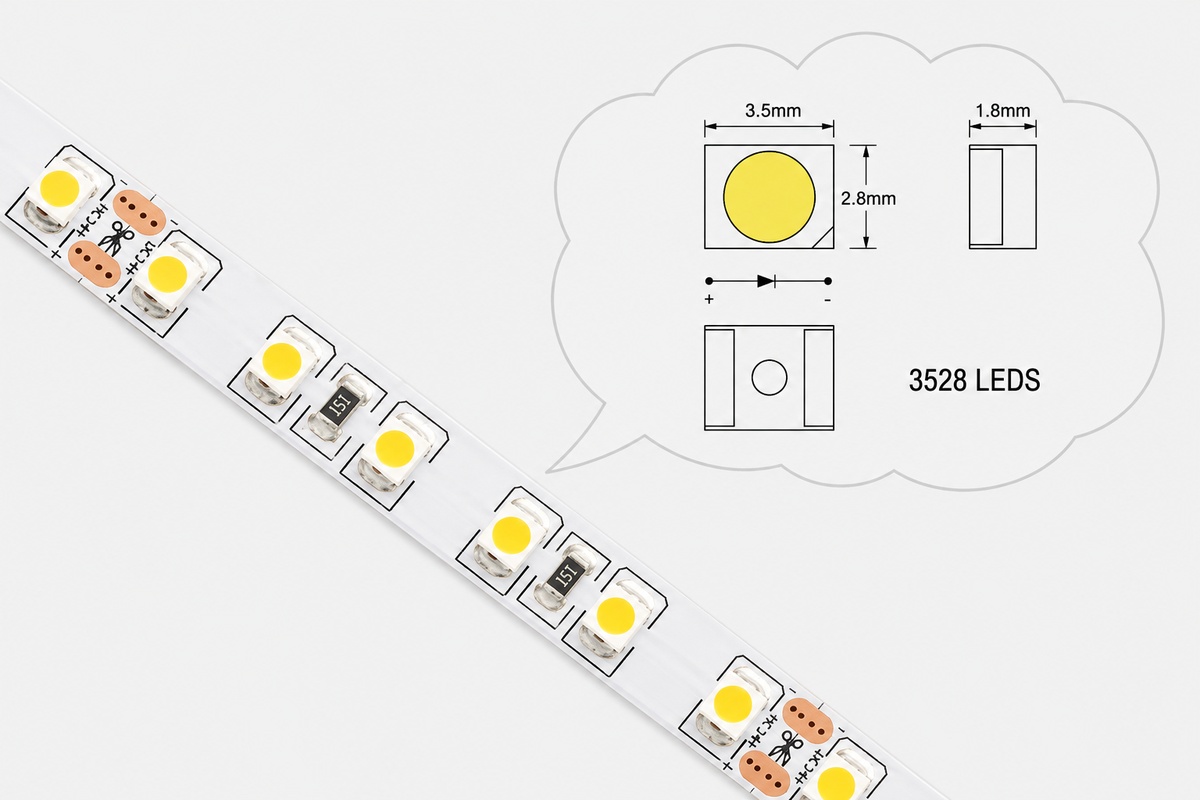
| 3528 | Economy, low power, decorative | 80–95 lm/W | 60–240/m | 8mm | Cost-first projects |
| 3014 | High density, narrow PCB, sign boxes | 80–92 lm/W | 120–204/m | 6–8mm | Narrow profile fit |
| 2110 | Ultra-high density, near-COB appearance | 88–100 lm/W | 320–700/m | 4–8mm | COB alternative |
| 2220 | High output, good efficiency, wide PCB | 95–105 lm/W | 240–350/m | 10–14mm | High brightness indoor |
Most buyers over-rely on chip name and under-specify the rest. Efficiency, density, PCB width, voltage, and cut length together define whether the strip actually works in the project — not the chip name alone. 2835 is the default for most B2B buyers. Choose a different chip only when a specific constraint makes it the better fit.
SMD vs COB: When Should Buyers Still Choose SMD?
COB is not always the better answer. In many indoor commercial projects, SMD remains the more efficient buying decision.
| Factor | SMD LED Strip | COB LED Strip |
|---|---|---|
| Cost level | Usually lower | Usually higher |
| Configuration range | Wider chip / density / width selection | More limited |
| Visual finish | Visible dots in exposed use | More continuous light line |
| Best fit | Hidden lighting, signage, cabinetry, cost-sensitive projects | Visible premium linear lighting |
| Buyer decision logic | Choose when output + budget + flexibility matter more | Choose when finish quality matters most |
Common Specifications
Indoor single-color SMD product range covers several chip families. Below is a practical summary followed by representative model specifications.
General Range
| Color Temperature | 1800K – 20000K |
| Voltage Options | 12V / 24V / 48V DC |
| PCB Width | 3mm – 14mm |
| CRI | >80 / >90 |
| IP Grade | IP20 / IP65 / IP66 / IP68 |
| Roll Length | 5m / Roll |
Material & Performance
| PCB Material | FPC double sides copper |
| Rated Lifespan | >36,000 hours |
| Main Chips | 2835 / 5050 / 3528 / 3014 / 2110 / 2220 |
| Use Type | Indoor decorative / architectural / display lighting |
| Typical Applications | Cabinet, shelf, signage, cove, furniture, retail |
| Indoor Page Focus | IP20 single color models |
| Item No. | Chip | Voltage | Watts/M | LEDs/M | CRI | PCB Width | Lumen Flux | Efficiency | Cut Length | CCT Range |
|---|---|---|---|---|---|---|---|---|---|---|
| High Efficiency / 2835 Series | ||||||||||
| RH-2835-24V-112-10MM | 2835 | 24V | 14W | 112 | >80 | 10mm | 2548 lm | 182 lm/W | 50mm | 1800K–20000K |
| RH-2835-24V-160-10MM | 2835 | 24V | 18W | 160 | >80 | 10mm | 3310 lm | 184 lm/W | 71.4mm | 1800K–20000K |
| RH-2835-24V-210-10MM | 2835 | 24V | 20W | 210 | >80 | 10mm | 2960 lm | 148 lm/W | 33.3mm | 1800K–20000K |
| Standard Single Color SMD | ||||||||||
| RH-2835-12V-60-6MM | 2835 | 12V | 7.2W | 60 | >90 | 6mm | 590 lm | 86 lm/W | 50mm | 1800K–20000K |
| RH-2835-24V-120-8MM | 2835 | 24V | 14.4W | 120 | >90 | 8mm | 1680 lm | 120 lm/W | 50mm | 1800K–20000K |
| RH-3014-12V-120-8MM | 3014 | 12V | 10W | 120 | >80 | 8mm | 920 lm | 92 lm/W | 25mm | 1800K–20000K |
| RH-3528-24V-120-8MM | 3528 | 24V | 9.6W | 120 | >80 | 8mm | 910 lm | 95 lm/W | 50mm | 1800K–20000K |
| RH-5050-24V-60-10MM | 5050 | 24V | 14.4W | 60 | >80 | 10mm | 1300 lm | 90 lm/W | 100mm | 1800K–20000K |
| RH-2110-24V-560-10MM | 2110 | 24V | 19.2W | 560 | >90 | 10mm | 1720 lm | 90 lm/W | 50mm | 1800K–20000K |
| RH-2220-24V-350-12MM | 2220 | 24V | 24W | 350 | >90 | 12mm | 2400 lm | 100 lm/W | 20mm | 1800K–20000K |
Installation & Procurement Notes
Check Profile Size Early
Do not wait until ordering to confirm strip width. Many cabinet, shelf, and aluminum-profile projects fail at the final stage because the selected strip is wider than the installation slot.
Plan Voltage Drop Properly
Even with indoor runs, long lines still need realistic voltage-drop planning. 24V and 48V help, but layout, cable gauge, and feed point planning still matter.
Sample by Real Application
For display, furniture, sign, and cove projects, sample the strip in the final profile, diffuser, and installation depth. Lab specs alone do not show the final visual effect.
FAQ
What is the most common single-color SMD chip for indoor projects?+
Should buyers choose 12V or 24V for single-color SMD strips?+
Is SMD still worth buying if COB is available?+
What is the biggest risk when selecting single-color SMD strips?+
Need Help Choosing the Right Single Color SMD Strip?
Tell us your chip preference, installation width, voltage, color temperature, and project type. We can help you narrow the right indoor SMD strip before sampling or bulk order.
Send an Inquiry