
DMX512 vs DALI: Choosing the Right Control Protocol for Architectural LED Strip Systems
Control protocol decisions have a major impact on how an architectural LED strip system performs, scales, and gets maintained over time. Yet many projects still treat controls as a late-stage technical add-on rather than an early specification decision.
For contractors, consultants, and project buyers, one of the most common comparisons is DMX512 vs DALI. Both are established control methods, but they are designed around different priorities. Choosing the wrong one can add unnecessary complexity or limit what the lighting system can do.
This article explains the practical differences between DMX512 and DALI for architectural LED strip projects, and how to choose the right protocol based on application needs.
Why Control Protocol Choice Matters in LED Strip Projects
Architectural LED strips are rarely just switched on and off. They are often dimmed, grouped, zoned, color-controlled, scene-programmed, or integrated into wider building systems.
That means the control protocol affects:
- wiring topology
- commissioning complexity
- dimming behavior
- scalability
- maintenance and troubleshooting
- user experience after handover
Once the control backbone is selected, many downstream decisions become easier or harder. That is why it should be considered early.
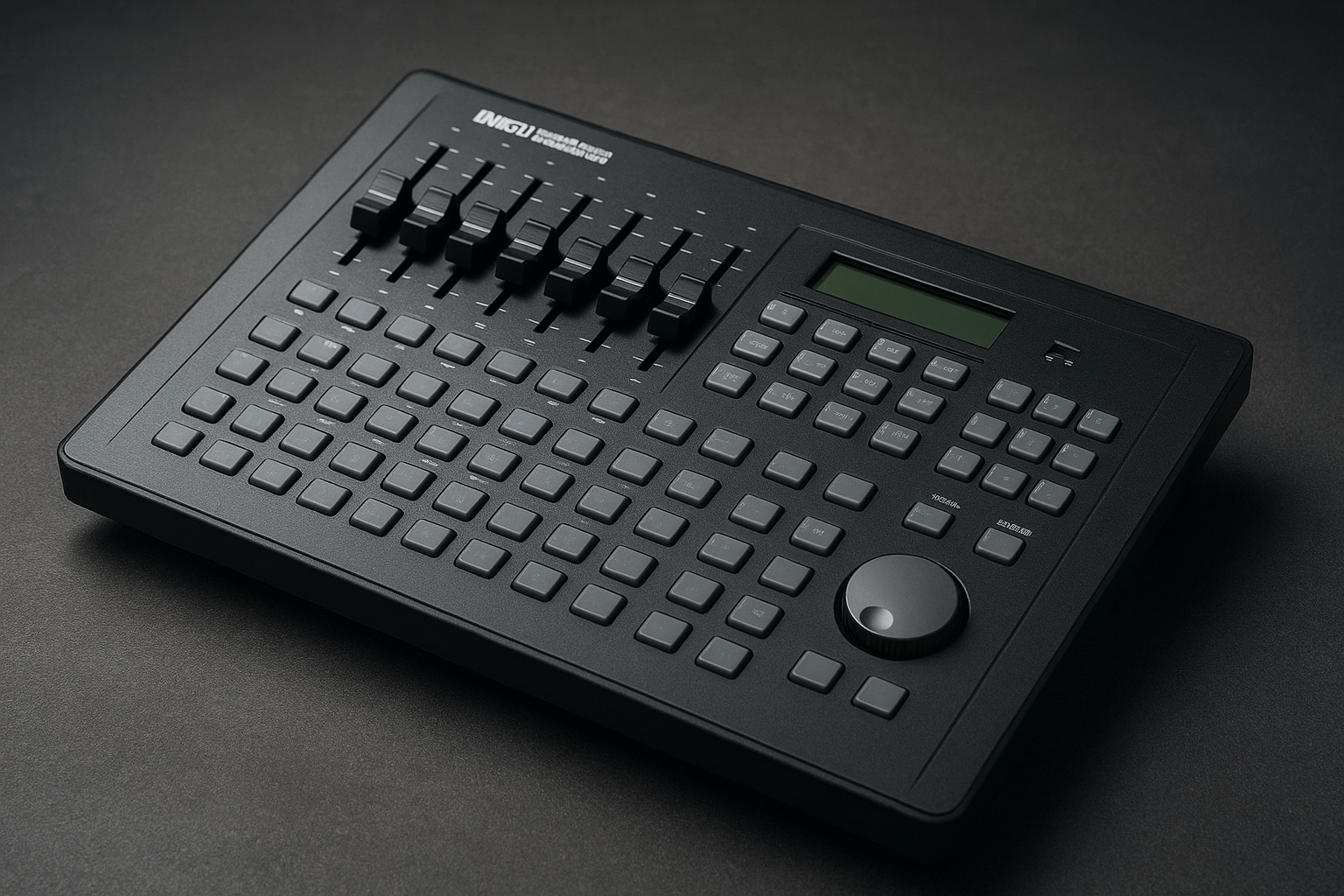
What DMX512 Is Best At
DMX512 is widely used where dynamic control, fast response, and multi-channel scene capability matter. It is common in entertainment, façade lighting, hospitality feature lighting, and RGB or pixel-based architectural effects.
DMX strengths include:
- precise channel-based control
- strong support for dynamic scenes and effects
- fast response time
- suitability for RGB, RGBW, and tunable systems
It is usually the stronger choice when the project involves creative or changing light behavior rather than simple building-wide dimming.
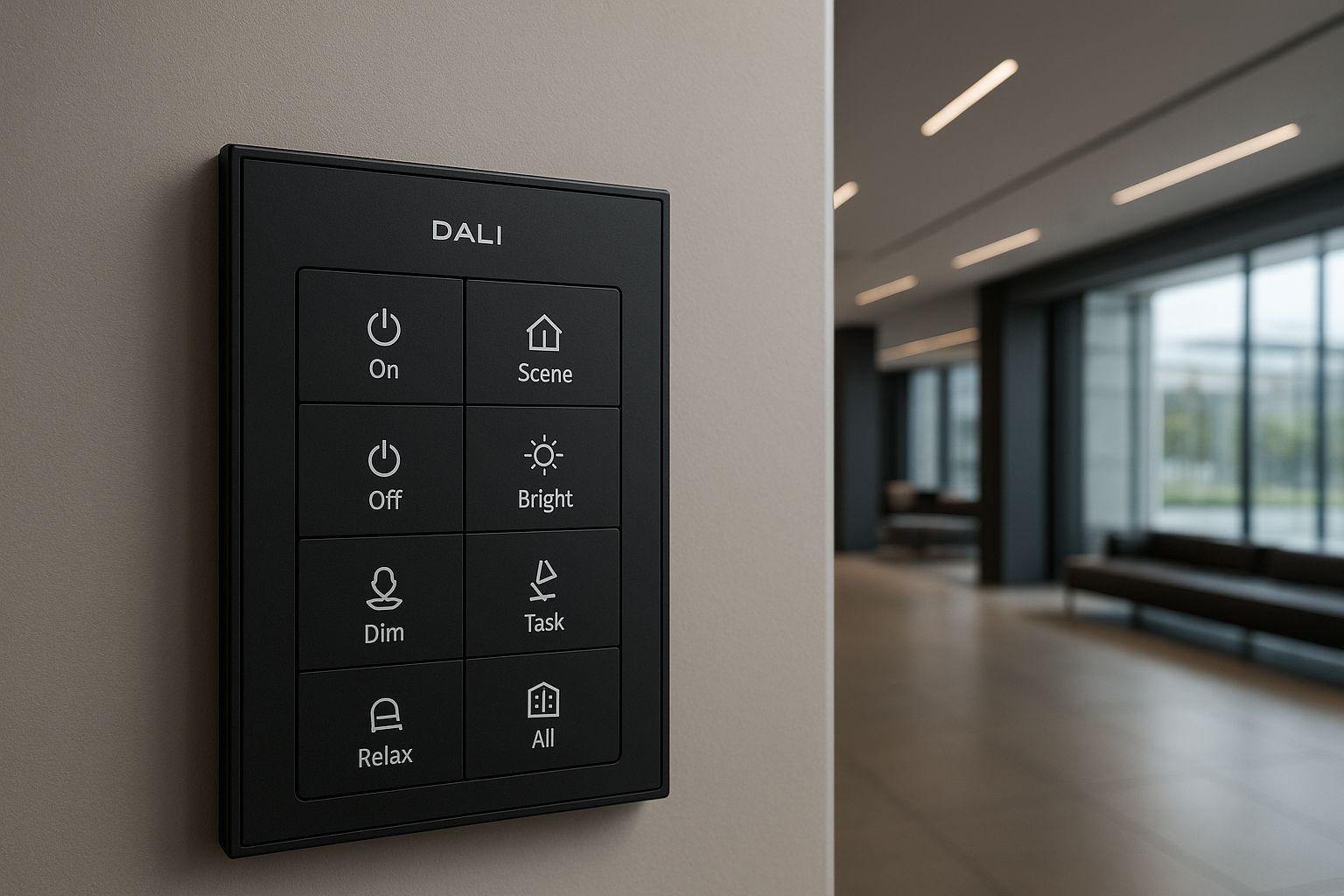
What DALI Is Best At
DALI is widely used in commercial buildings where structured lighting control, addressability, and integration with building management logic matter more than theatrical effects.
DALI strengths include:
- organized addressing of fixtures and groups
- strong fit for offices, hotels, and institutional spaces
- easier integration into standard building lighting control strategies
- good support for maintenance and commissioning workflows
For white-light architectural strip systems with scene recall and zone control, DALI is often the more practical protocol.
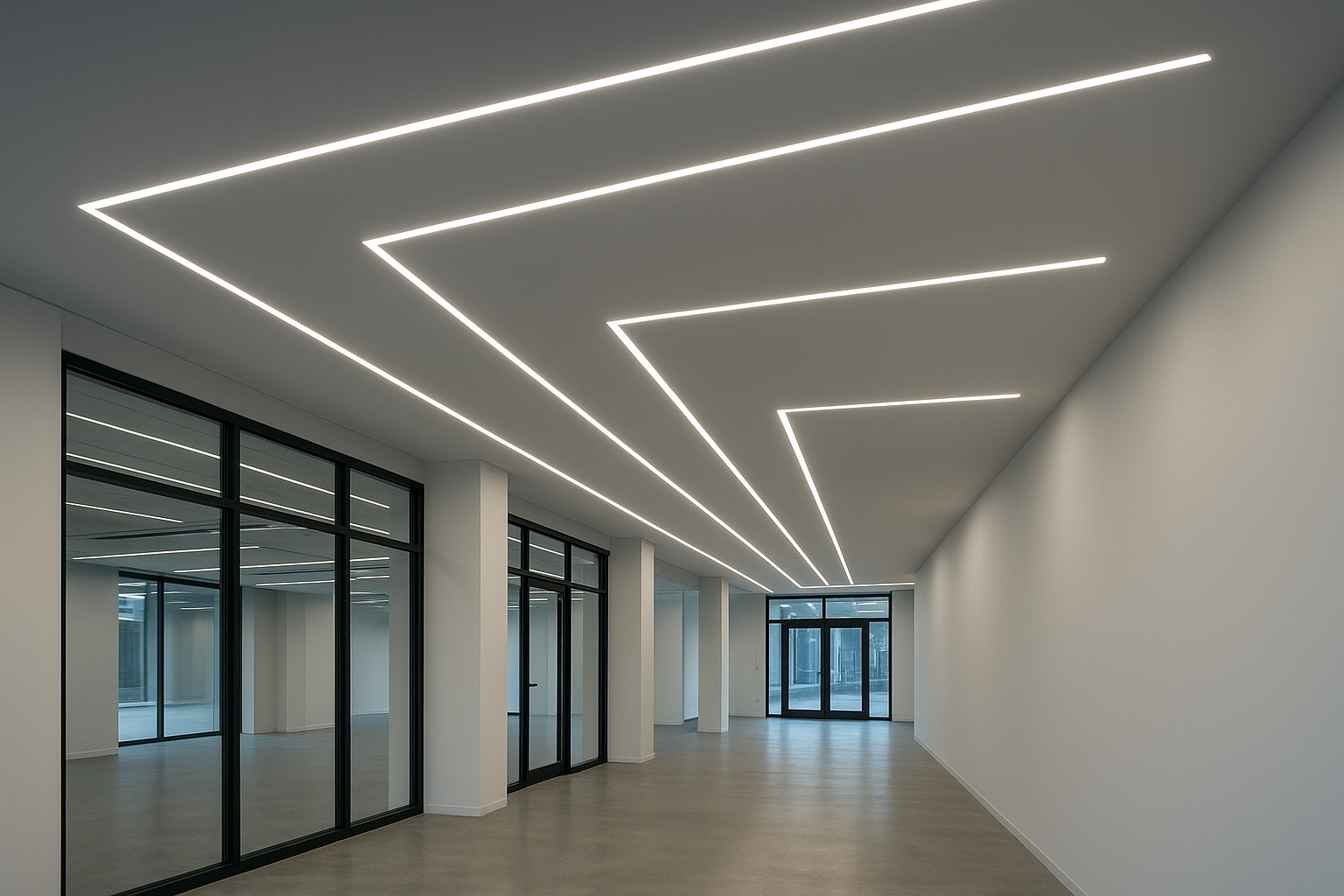
Where DMX512 Is the Better Choice
DMX is usually the better choice when the project requires:
- color-changing LED strip control
- dynamic scene transitions
- façade animation
- hospitality feature lighting with visual effects
- entertainment-style responsiveness
If the design intent is visual drama, motion, or complex color behavior, DMX is usually more capable and more natural to work with.
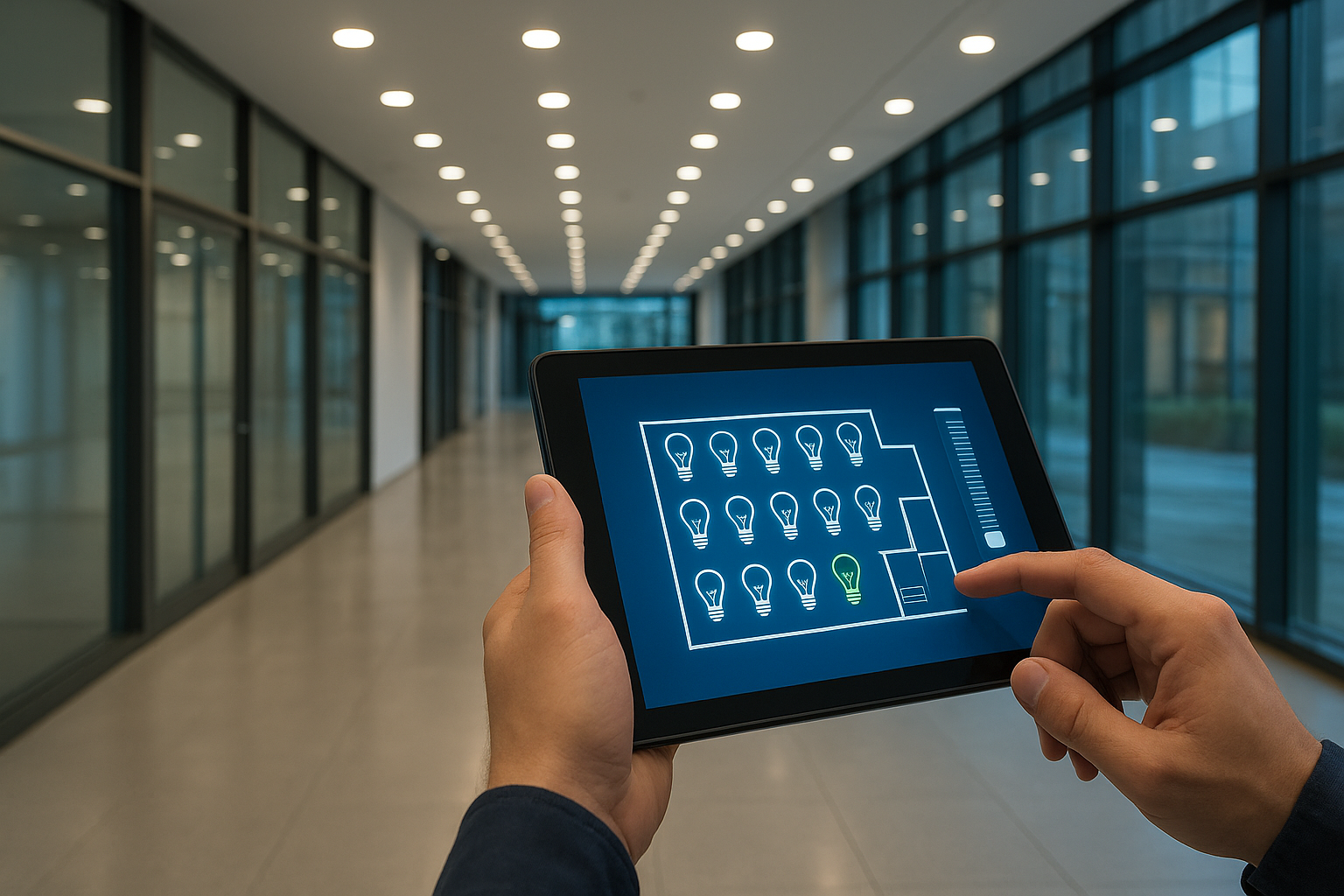
Where DALI Is the Better Choice
DALI is usually the better choice when the project requires:
- structured white-light dimming and zoning
- integration with occupancy, time schedules, and building controls
- easier maintenance by building services teams
- standard commercial commissioning logic
- scalable control across guest rooms, offices, or meeting spaces
If the project is fundamentally architectural and operational rather than theatrical, DALI is often the cleaner solution.
Common Mistakes When Comparing DMX and DALI
Teams often make the wrong choice when they:
- select DMX for a simple white-light project that only needs standard dimming
- select DALI for feature lighting that really needs dynamic multi-channel control
- underestimate commissioning requirements
- ignore who will maintain the system after handover
- treat protocol selection as separate from driver and control-device compatibility
The best protocol is the one that matches the real operational goal of the system.
FAQ
Is DMX better than DALI for RGB LED strips?
In most cases, yes. DMX is usually better suited to multi-channel color control and dynamic scene programming.
Is DALI better for hotel and office projects?
Often yes, especially for white-light systems that need reliable dimming, zoning, and building-friendly commissioning.
Can DALI control color-changing LED strips?
It can in some system designs, but complex dynamic color effects are generally where DMX feels more natural and capable.
Which is easier to maintain long term?
For many commercial buildings, DALI is easier for facilities teams to understand and maintain. DMX may require more specialist support depending on the system.
Should protocol be decided before driver selection?
Yes. Protocol choice affects driver compatibility, wiring, commissioning, and interface strategy, so it should be part of the early specification process.
Conclusion
DMX512 and DALI are both proven control protocols, but they serve different project priorities. DMX is stronger when dynamic color, effects, and fast-response scene control matter. DALI is stronger when the project needs organized commercial dimming, zoning, and integration with normal building operations.
For architectural LED strip systems, the right choice comes from understanding what the lighting must actually do after handover, not just what the controls consultant prefers on paper. When protocol choice is aligned with application, the system is easier to commission, easier to maintain, and more likely to deliver the intended result.
Related: How to Specify LED Strip Lighting for a Commercial Office Project | How to Choose the Right LED Strip Color Temperature for Commercial Spaces
External References
- ESTA — DMX512 Standard
- DALI Alliance — Official Resource
- U.S. Department of Energy — LED Lighting
- LightingEurope
- Illuminating Engineering Society (IES)
Recommended Products
Request a Project or Trade Quote
Sourcing for an installation project, resale or OEM production? Share your requirements below. You can discuss project samples before committing to a bulk order.
Related Articles
LED Strip Lighting After a Power Outage: Designing a Reliable Restart
Plan LED strip power restoration beyond total watts. Review driver inrush, switching limits, restart scenes, and commissioning before project handover.

Why LED Strip Lights Buzz When Dimmed: A Guide for Quiet Spaces
Diagnose LED strip buzzing without guessing. Review drivers, PWM controls, mounting resonance, and low-level acoustic acceptance for quiet interiors.

LED Strip Lighting for Modular Retail Shelves: Design for Reconfiguration
Specify modular shelf lighting beyond driver wattage. Check shared-feed current, connector durability, cable movement, controls, and approved configurations.